Key Points
- Historic Aviation Milestone: Commercial passenger operations have officially commenced at Australia’s newest aviation hub, Western Sydney International (Nancy-Bird Walton) Airport (WSI), marking a new era for air travel in Greater Western Sydney.
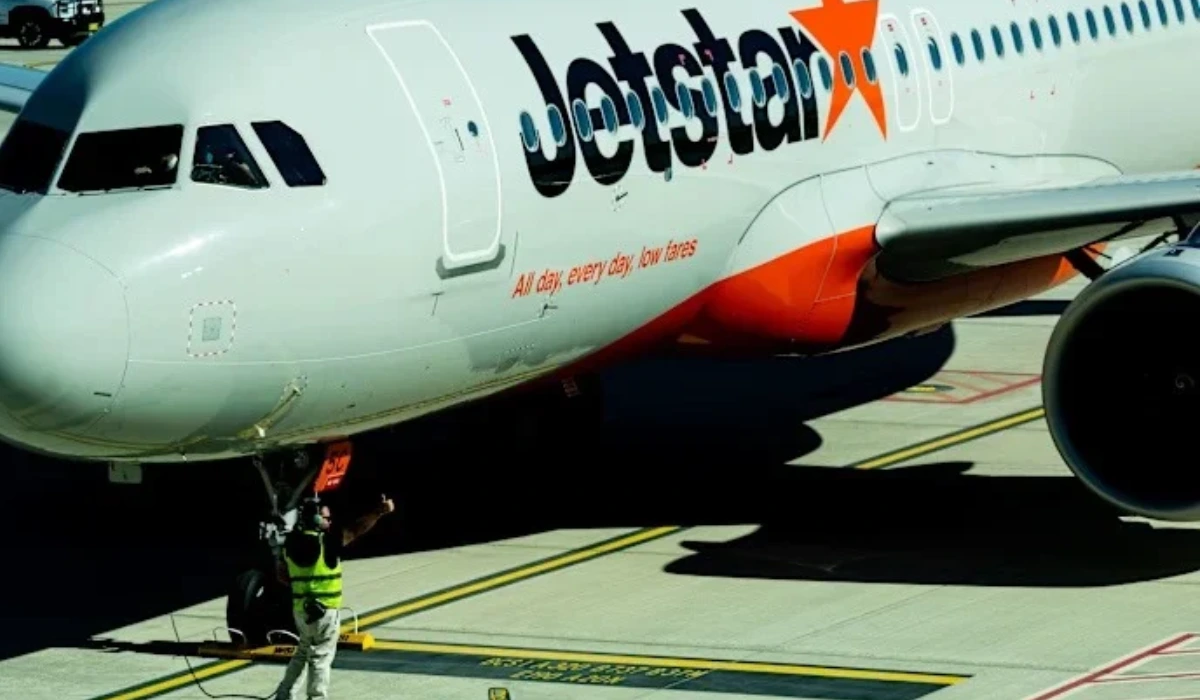
- Inaugural Flight Details: Low-cost carrier Jetstar operated the historic inaugural departure, Flight JQ362, bound for the Gold Coast at 11:00 am carrying paying passengers, airline leadership, and media representatives.
- Jetstar Route Commitments: The airline plans to operate up to 24 return services per week from Western Sydney, incorporating up to 14 weekly flights to Melbourne, daily services to the Gold Coast, and three weekly flights to Brisbane utilizing 188-seat Airbus A320 aircraft.
- Curfew-Free Advantage & Expansion: Supported by the Australian Federal Government and the City of Sydney, WSI provides 24-hour, curfew-free domestic and international capacity. Upcoming international routes include Air New Zealand to Auckland, Singapore Airlines to Singapore, and Fiji Airways to Nadi.
- New Fare Sales & Baggage Structure: Jetstar launched promotional fares starting at $54 one-way to induce trial, while simultaneously introducing a restructured baggage policy where base fares cover an under-seat item and overhead bin space incurs a supplementary fee.
SYDNEY (Sydney Now Magazine) October 25, 2026 — Commercial aviation history was made this morning as Western Sydney International (Nancy-Bird Walton) Airport officially launched passenger operations with its first commercial flight. Operated by Qantas-owned low-cost carrier Jetstar, Flight JQ362 departed at 11:00 am bound for the Gold Coast, carrying paying travelers, aviation executives, and media personnel. Backed by the Federal Government, the greenfield airport operates without a night curfew, providing an unconstrained alternative to Sydney Kingsford Smith Airport. The inaugural departure initiates a staged rollout of domestic and international services, accompanied by promotional sales fares and revised cabin baggage policies.
- Key Points
- What Did Jetstar Leadership and Government Officials State About the Launch?
- Which International Carriers and Routes Are Scheduled to Follow Jetstar at WSI?
- What Are the Details of Jetstar’s Launch Fares and Revised Cabin Baggage Rules?
- How Is the Battle for Bali Entitlements Progressing Between Jetstar and Virgin Australia?
- Background of Western Sydney International Airport and the Two-Airport Model
- Prediction: How This Development Will Affect Passengers, Regional Businesses, and the Aviation Industry
As reported by aviation correspondents covering the airport’s opening, Australia’s newest international gateway officially opened its terminal doors on Sunday, 25 October 2026, as Jetstar Flight JQ362 took off at 11:00 am local time carrying paying passengers from Western Sydney International Airport (WSI) directly to the Gold Coast. The flight marked the formal commencement of passenger operations at the multi-billion-dollar facility, establishing a direct connection for one of the fastest-growing population centers in the country.
As reported across national media titles, Jetstar Chief Executive Officer Steph Tully, who boarded the maiden service alongside passengers and journalists, hailed the moment as a landmark event for national transport infrastructure. The Qantas subsidiary will initially operate up to 24 return flights weekly out of WSI using 188-seat Airbus A320 aircraft, featuring up to 14 weekly return flights to Melbourne, daily connections to the Gold Coast, and three weekly return services to Brisbane.
What Did Jetstar Leadership and Government Officials State About the Launch?
As reported by aviation reporters covering the terminal opening ceremony, Jetstar Chief Executive Officer Steph Tully highlighted the long-term economic and consumer benefits of establishing operations at Western Sydney International Airport.
Speaking prior to boarding the inaugural flight, Jetstar CEO Steph Tully stated: “This is an historic day for aviation in Australia. We’ve got a strong track record of opening up new markets, and Western Sydney, one of the fastest growing regions in the country, is going to be one of the great ones.”
As reported by transport correspondents, representatives from the Australian Federal Government—which fully backed and funded the airport project—alongside the City of Sydney welcomed the launch, emphasizing that WSI introduces critical 24-hour, curfew-free capacity to the Sydney basin. Officials noted that the facility will provide travelers across Greater Western Sydney with an accessible departure option, bypassing long transit times to Sydney Kingsford Smith Airport (SYD).
Which International Carriers and Routes Are Scheduled to Follow Jetstar at WSI?
As reported by Travel and Tour World and regional aviation analysts, while the initial passenger route map at launch is relatively focused, international operations will scale rapidly over the coming days and months:
- Air New Zealand: Operates the first international service out of WSI on Monday, 26 October 2026, connecting Western Sydney directly to Auckland.
- Singapore Airlines: Scheduled to initiate direct passenger flights connecting WSI to Singapore Changi Airport in November 2026.
- VietJet: Planning to launch direct services to Ho Chi Minh City early next year, alongside proposed direct flights to Bangkok by November 2027, pending final regulatory approvals.
- Fiji Airways: Commencing three return services a week between Western Sydney and Nadi starting in March 2027.
- Qantas Mainline & QantasLink: Qantas will begin operating eight flights a week connecting WSI to Brisbane and Melbourne starting early next year via QantasLink.
- Qatar Airways: Partnering with Virgin Australia, the Gulf carrier is scheduled to introduce three weekly return services between Western Sydney and Doha by late 2027.
What Are the Details of Jetstar’s Launch Fares and Revised Cabin Baggage Rules?
As reported by commercial travel reporters, to mark the inauguration of passenger services and encourage travelers to test the new terminal, Jetstar announced a promotional fare sale running until 11:59 pm AEDT on Monday.
Under the opening promotion, one-way fares were released across initial domestic routes:
- Western Sydney to Gold Coast: One-way lead fares starting from $54.
- Western Sydney to Melbourne: One-way lead fares starting from $61.
- Western Sydney to Brisbane: One-way lead fares starting from $65.
However, as reported by consumer travel analysts, passengers booking these launch fares are subject to Jetstar’s updated cabin baggage policy. Under the restated structure, standard base fares permit only one under-seat personal item. Passengers seeking to use overhead luggage lockers must pay an additional fee. As an operational incentive, travelers who purchase overhead bin access are granted priority boarding privileges.
How Is the Battle for Bali Entitlements Progressing Between Jetstar and Virgin Australia?
As reported by aviation business correspondents, Qantas-owned Jetstar is actively bidding to secure regulatory approval for direct international services connecting Western Sydney to Denpasar (Bali). The route would expand Jetstar’s extensive Indonesian flight network.
However, rival Australian carrier Virgin Australia is competing for the same allocation of bilateral capacity to launch its own Western Sydney–Bali services. As reported by legal and aviation observers, both airline groups are currently responding to formal inquiries issued by the International Air Services Commission (IASC)—the statutory body responsible for allocating international route rights to Australian airlines. The IASC has directed Qantas Group and Virgin Australia to detail how their respective proposals would deliver maximum public benefit across competition, tourism, and bilateral trade before making a final determination.
Background of Western Sydney International Airport and the Two-Airport Model
The launch of passenger flights at Western Sydney International (Nancy-Bird Walton) Airport represents the culmination of more than five decades of political debate, environmental planning, and heavy infrastructure construction. Designed to relieve chronic air traffic congestion at Sydney Kingsford Smith Airport in Mascot, WSI is Australia’s first major greenfield airport project built in over half a century.
Unlike Kingsford Smith Airport—which is strictly constrained by an 11:00 pm to 6:00 am statutory noise curfew and an 80-movement-per-hour cap—Western Sydney International features a single 3.7-kilometre runway capable of supporting 24-hour, curfew-free operations. This structural difference establishes a natural division of labor across the Sydney basin: Kingsford Smith is expected to retain its status as the primary hub for premium corporate travel, legacy long-haul carriers, and close-in CBD access, while Western Sydney International positions itself as a 24/7 hub for low-cost, leisure, freight, and international growth capacity.
Prediction: How This Development Will Affect Passengers, Regional Businesses, and the Aviation Industry
The commencement of commercial flights at Western Sydney International Airport generates immediate, systemic impacts across multiple sectors:
1. Residents and Leisure Travelers in Greater Western Sydney
For the two million residents living across Western Sydney, the opening of WSI dramatically reduces transit times to the airport, eliminating the need to navigate heavy motorway congestion toward Mascot. Travelers benefit directly from increased price competition, low-cost carrier fare sales, and flexible flight schedules made possible by 24-hour, curfew-free departures.
2. Local Hospitality, Freight, and Tourism Businesses
The launch provides an immediate boost to the Western Sydney economy. Local hotels, transport operators, and tourism vendors will benefit from inbound domestic and international visitor flows. Furthermore, 24-hour belly-hold air cargo operations will allow regional agricultural and commercial exporters to ship high-value goods directly to Asian and Middle Eastern markets without encountering overnight curfew restrictions.
3. Airlines and Network Competition
The dual-airport system in Sydney will intensify competition between Australian low-cost carriers and full-service international airlines. As Jetstar and rival airlines expand their route networks out of WSI, legacy carriers at Kingsford Smith may face margin pressure on domestic routes, forcing airlines to optimize fare structures and adjust slot allocations across both gateways.