Key Points
- Provisional Suspension Imposed:Reigning world marathon champion and Tokyo Olympic gold medallist Peres Jepchirchir has been provisionally suspended by the Athletics Integrity Unit (AIU) following a positive test for the prohibited blood-boosting substance erythropoietin (EPO).
- Origin of Adverse Finding:According to the AIU, the adverse analytical finding stems from an out-of-competition sample collected in Kenya prior to her victory at the 2026 Sydney Marathon on 30 August.
- Sydney Title Status:The 33-year-old runner’s Sydney Marathon victory remains intact temporarily while official anti-doping disciplinary proceedings take place.
- Systemic Pressure in Kenya: Jepchirchir becomes the latest high-profile distance runner from Kenya to face suspension, joining over 140 Kenyan athletes sanctioned by the AIU since 2017.
- Reactions from Race Organisers:Organisers of the Sydney Marathon issued a formal statement on 23 October expressing disappointment, reiterating their commitment to clean sport, and acknowledging Jepchirchir’s right to due process.
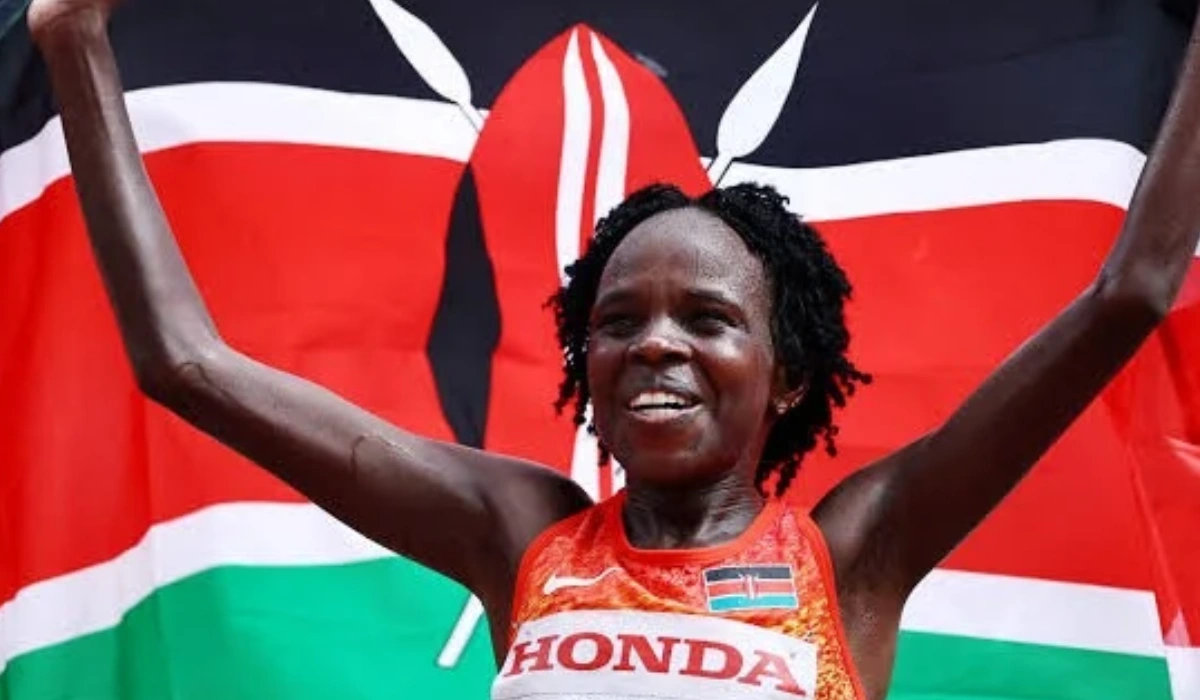
Sydney (Sydney Now Magazine) October 24, 2026 — World marathon champion and Olympic gold medallist Peres Jepchirchir has been provisionally suspended by the Athletics Integrity Unit following an adverse analytical finding for the banned blood-boosting hormone EPO.The out-of-competition sample was gathered in Kenya prior to her recent victory at the 2026 Sydney Marathon.The announcement temporarily removes the 33-year-old athlete from all official competition while a formal investigation proceeds, placing further international scrutiny on Kenya’s distance-running infrastructure.
- Key Points
- What Are the Specific Details of the AIU Allegation and Sample Timeline?
- How Have Sydney Marathon Organisers and International Bodies Responded?
- What Impact Does This Case Have on Kenya’s Distance-Running Ecosystem?
- Background of the Particular Development After the News
- Prediction: How This Development Can Affect Key Audiences
As reported by Andrew Wasike of Anadolu Agency, reigning world marathon champion and former Olympic gold medallist Peres Jepchirchir was provisionally suspended on Friday, 23 October 2026, by the Athletics Integrity Unit (AIU) after an out-of-competition drug sample tested positive for erythropoietin (EPO), a banned performance-enhancing substance.The adverse sample was collected from the 33-year-old runner in Kenya prior to her victory at the Sydney Marathon on 30 August 2026, where she completed the course in 2:18:31, finishing more than three minutes ahead of fellow Kenyan runner Irine Cheptai.
As reported by Reuters on Al Jazeera, the provisional suspension immediately bars Jepchirchir from participating in any official track and road racing events while the formal disciplinary review is conducted by international anti-doping authorities.A provisional suspension represents a standard interim procedural step and does not constitute a final ruling of an anti-doping rule violation, nor does it immediately trigger the official disqualification of her Sydney Marathon title, which remains subject to the final outcome of the AIU’s adjudication process.
What Are the Specific Details of the AIU Allegation and Sample Timeline?
As reported by the Associated Press and detailed in official statements by the Athletics Integrity Unit, the adverse analytical finding centers on the detection of exogenous erythropoietin (EPO).EPO is a peptide hormone that stimulates red blood cell production, enhancing oxygen transport throughout the bloodstream and providing significant aerobic endurance benefits during long-distance running.
As reported by Sportzhub, the specific sample in question was collected during an unannounced out-of-competition doping control test conducted at Jepchirchir’s training base in Kenya before she traveled to Australia for the Sydney Marathon on 30 August 2026. Following standard World Anti-Doping Agency (WADA) protocols, the sample was processed at an accredited laboratory, leading to the notification of an adverse finding and the subsequent issuance of a provisional suspension notice.
Jepchirchir retains the right to request the analysis of her “B” sample to verify the initial finding, as well as the right to present an official defense before an independent disciplinary tribunal appointed by the AIU.
How Have Sydney Marathon Organisers and International Bodies Responded?
As reported by Sportzhub, representatives for the Sydney Marathon released an official statement on Friday, 23 October 2026, acknowledging the AIU’s provisional suspension of their 2026 women’s race champion.Race organisers highlighted their extensive direct investment in out-of-competition testing as part of the event’s rigorous anti-doping framework, particularly as the Sydney Marathon works to consolidate its position within the prestigious World Marathon Majors series.
Organisers stated that they remain firmly committed to clean sport, while confirming that they will respect Jepchirchir’s right to due process under international sports law and refrain from taking unilateral administrative actions regarding race results or prize allocations until the AIU issues a final binding decision.
Under current regulations governing World Athletics and the Abbott World Marathon Majors, if a final anti-doping rule violation is established, the athlete faces a multi-year period of ineligibility, the retroactive disqualification of race results from the date of sample collection, the forfeiture of medal standings, and the recovery of prize money and appearance fees. Furthermore, the World Marathon Majors operates a strict lifetime exclusion policy for any athlete who receives an official anti-doping ban of three months or longer.
What Impact Does This Case Have on Kenya’s Distance-Running Ecosystem?
As reported by Arab News, the provisional suspension of Peres Jepchirchir delivers a major blow to Kenyan athletics, adding one of the country’s most decorated runners to a growing list of sanctioned distance competitors. Jepchirchir’s career achievements include winning the women’s marathon gold medal at the Tokyo 2020 Olympic Games, securing the world marathon title at the 2025 World Athletics Championships in Tokyo, and claiming victories at the New York City, Boston, London, and Sydney marathons.
As detailed by Al Jazeera, Jepchirchir joins more than 140 Kenyan distance runners who have faced suspensions or bans imposed by the AIU since 2017. This recurring pattern of anti-doping infractions has placed sustained pressure on Athletics Kenya and government sports ministry officials to implement stricter domestic surveillance, regulate local athlete management networks, and increase intelligence-led out-of-competition testing across high-altitude training camps in regional hubs such as Iten and Kaptagat.
Background of the Particular Development After the News
The provisional suspension of Peres Jepchirchir marks a critical juncture in the global fight against performance-enhancing drugs in endurance sports. Over the past decade, World Athletics and WADA have significantly expanded the operational scope and investigative capabilities of the Athletics Integrity Unit, an independent body established in 2017 to manage anti-doping and integrity threats across track and field.
In response to persistent doping concerns surrounding East African distance runners, the AIU and WADA established targeted testing programs targeting high-altitude training centers. Despite increased funding and intelligence sharing between international anti-doping bodies and Kenyan law enforcement, the frequent detection of sophisticated blood-boosting substances such as EPO and triamcinolone acetonide has maintained scrutiny on the country’s athletic federation.
Kenya currently remains categorized as a “Category A” federation under AIU integrity rules, a classification reserved for nations deemed to present the highest risk of doping. This status mandates that athletes from Kenya undergo at least three unannounced out-of-competition tests prior to participating in major international competitions, such as the Olympic Games and World Athletics Championships.
Prediction: How This Development Can Affect Key Audiences
The provisional suspension of a prominent Olympic and world champion carries far-reaching consequences across multiple sectors within global road running and commercial athletics:
1. Professional Marathon Runners and Competitors
For elite road runners, the investigation could trigger changes in race standings and prize money distribution for events such as the 2026 Sydney Marathon, where runner-up Irine Cheptai would be elevated to first place should Jepchirchir be formally disqualified.Additionally, clean athletes will likely face an environment of heightened testing protocols, more frequent out-of-competition whereabouts reporting, and increased pre-race screening prior to World Marathon Major events.
2. Commercial Sponsors and Marathon Organisers
Corporate sponsors and shoe manufacturers that finance elite marathon runners through multi-million-dollar endorsement contracts are expected to enforce stricter contractual morality clauses and clawback provisions. Major race directors may re-evaluate appearance fees, require mandatory independent biological passport audits before extending race invitations, and allocate larger portions of their operational budgets toward funding out-of-competition anti-doping controls.
3. Athletics Kenya and National Sports Administrators
For Kenyan sports administrators, the high-profile nature of this case increases the risk of broader institutional sanctions from World Athletics. To protect the eligibility of clean athletes and safeguard future international hosting opportunities—such as Nairobi’s hosting rights for the 2029 World Athletics Championships—governing bodies will likely be compelled to implement aggressive domestic legislation, increase funding for national anti-doping agencies, and criminally prosecute unauthorized medical suppliers distributing banned substances within training hubs.