Key Points
- Formal Investigation Launched: Australia’s corporate regulator, the Australian Securities and Investments Commission (ASIC), has opened a formal investigation into the collapse of Sydney property developer Bathla Group.
- Massive Debt Burden: Bathla Group collapsed into voluntary administration in August 2026 owing approximately A$3.4 billion, including roughly A$3.08 billion to secured lenders, A$145 million to the Australian Taxation Office, and A$130 million to trade creditors.
- Private Credit Market Vulnerability: The developer was financed by roughly 40 private credit funds and non-bank lenders, including major players like PAG, CVS Lane Capital Partners, and Centuria Bass, exposing deep borrower-concentration risks across Australia’s A$200 billion private credit sector.
- Projects in Limbo: Construction halted across remaining sites in late September, leaving roughly 3,000 apartments and homes incomplete, stalling 219 active projects, and putting 350 direct jobs at risk.
- Regulatory Intervention: ASIC has already taken targeted action, imposing interim orders against Adelaide-based private credit firm Angas Securities over undisclosed exposure to Bathla Group.
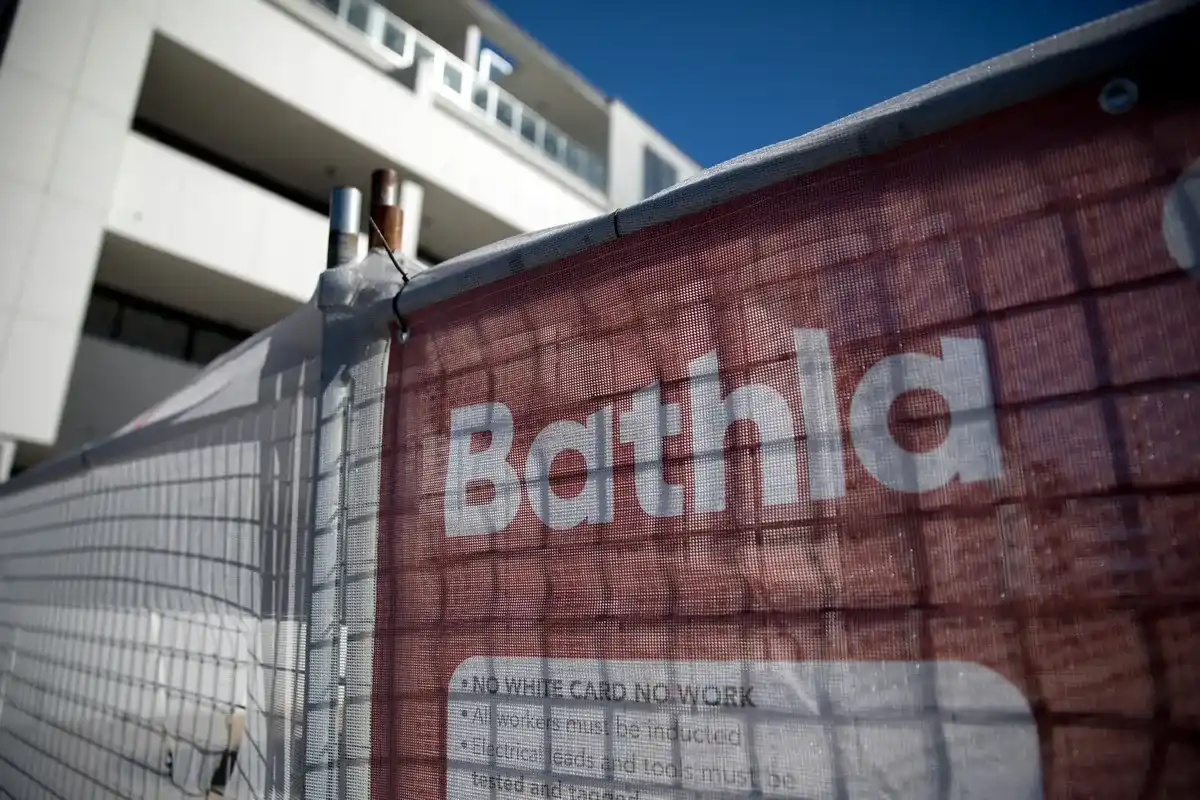
Sydney (Sydney Now Magazine) 10 November 2026 – Australia’s corporate watchdog has officially launched a formal investigation into the collapse of major Western Sydney residential developer Bathla Group, escalating scrutiny over the nation’s rapidly expanding private credit market. As reported by Patrick Brischetto of Domain News and Reuters correspondents, the Australian Securities and Investments Commission (ASIC) confirmed on Monday that it has commenced a probe into the conduct and affairs of the corporate group. Bathla Group entered voluntary administration in late August 2026 with known creditor claims amounting to approximately A$3.4 billion, largely owed to around 40 non-bank lenders and private credit funds. The investigation follows the complete shutdown of construction across Bathla’s residential sites in late September, leaving roughly 3,000 housing units in limbo and about 350 workers without jobs.
- What Triggered the ASIC Investigation Into Bathla Group?
- How Extensive Is the Financial Exposure Across the Private Credit Market?
- How Has the Collapse Affected Buyers, Trades, and Western Sydney Housing Supply?
- Background of the Particular Development After the News
- How This Development Can Affect Private Credit Investors, Homebuyers, and Construction Sector Operators
What Triggered the ASIC Investigation Into Bathla Group?
According to reporting published by Patrick Brischetto of Domain News, ASIC Commissioner Simone Constant confirmed the regulator’s intervention during public statements in Sydney on Monday.
ASIC Commissioner Simone Constant stated: “I can confirm we have commenced a formal investigation in relation to the conduct of the affairs of the Bathla Group.”
As reported by Reuters, ASIC Commissioner Simone Constant highlighted the organizational complexity and structural risks that led to the regulatory action:
- Complex Corporate Network: Bathla Group comprised roughly 500 special-purpose vehicles (SPVs) and subsidiary entities under its parent framework, nearly double its total direct headcount.
- Financial Discrepancies: Reports submitted by appointed administrators Teneo Australia revealed approximately A$736 million in potentially overstated inter-company balances and bank accounts that had gone unreconciled for prolonged periods.
- Private Credit Vulnerabilities: As reported by Patrick Brischetto of Domain News, Simone Constant noted that Bathla’s collapse “highlighted the risks that can emerge in private credit when this message is ignored,” citing widespread opacity and complex fund valuations across the non-bank lending sector.
Appointed administrators at Teneo Australia declined to comment on specific findings, citing ASIC’s ongoing formal probe.
How Extensive Is the Financial Exposure Across the Private Credit Market?
According to analysis by financial commentators at Taylor David and Skyring, Bathla Group’s insolvency has exposed significant borrower-concentration risks across Australia’s A$200 billion private credit sector.
Court filings and administrator breakdown reports reveal the full extent of the firm’s liabilities:
- Secured Debt: Secured lenders hold approximately A$3.08 billion of the total A$3.4 billion debt stack.
- Taxation and Unsecured Claims: The Australian Taxation Office (ATO) is owed roughly A$145 million, while trade contractors, subcontractors, and unsecured creditors face unpaid claims of about A$130 million.
- Lender Concentration: Approximately 40 non-bank lenders extended capital to Bathla. Key exposures include Asian investment firm PAG (holding over A$300 million in debt), CVS Lane Capital Partners, and Centuria Bass, which collectively extended more than A$1 billion to the developer. Other exposed lenders include La Trobe Financial, MaxCap, Balmain, Wingate, and Ray White Capital.
As reported by Reuters, ASIC has already taken regulatory enforcement steps against exposed lenders, including issuing interim stop orders restricting capital-raising activities at Adelaide-based Angas Securities after the firm failed to clearly disclose fund exposures tied to Bathla Group.
How Has the Collapse Affected Buyers, Trades, and Western Sydney Housing Supply?
According to reporting by Domain News and ABC News, the operational collapse of Bathla Group—founded by managing director Bhart Bhushan—has delivered a severe shock to the Western Sydney residential housing market.
Bhart Bhushan attributed the developer’s downfall to a “perfect storm” of soaring construction costs, rising interest rates, and federal policy shifts.
The immediate operational fallout across Sydney includes:
- Stalled Pipeline: According to court documents cited by Reuters, Bathla had 219 active projects underway when administrators were appointed, including 45 active construction sites.
- Housing Supply Deficit: The developer’s stalled pipeline of roughly 14,000 planned apartments and house-and-land packages in growth corridors like Marsden Park represents approximately 18.5 per cent of all new residential housing expected across New South Wales in 2026.
- Subcontractor Losses: Unsecured tradespeople and material suppliers sit at the bottom of the repayment waterfall, with many small businesses facing severe cash-flow deficits due to millions in unpaid invoices.
- Homebuyer Uncertainty: Thousands of off-the-plan buyers face extended delays. While the administration freezes legal claims, NSW Supreme Court orders extended the second creditors’ meeting deadline to 13 September 2027, leaving buyers facing a long wait to see if projects will be completed or contracts rescinded.
Background of the Particular Development After the News
Founded in 1997, Bathla Group expanded rapidly over two decades to become one of the largest private residential developers in Western Sydney, operating predominantly through its flagship entity Universal Property Group. The firm specialized in high-density multi-stage apartment complexes and affordable house-and-land packages across key outer-metropolitan growth precincts, including Marsden Park, Schofields, and Box Hill. As major Australian commercial banks tightened lending guidelines for residential construction following the 2018 Banking Royal Commission, Bathla increasingly bypassed traditional bank finance in favor of non-bank private credit funds offering flexible, high-yield capital.
The developer’s collapse in August 2026 followed months of mounting pressure from elevated building material costs, acute trade shortages, and declining residential property sales across Sydney’s outer suburbs. The appointment of voluntary administrators at Teneo Australia marked the largest property collapse in Australia since the 2008 Global Financial Crisis. In September 2026, individual secured lenders began exercising their legal rights to appoint receivers over specific sites, resulting in a complete cessation of active construction work across all unresolved projects.
How This Development Can Affect Private Credit Investors, Homebuyers, and Construction Sector Operators
The formal ASIC probe into Bathla Group will generate lasting structural shifts across private credit investment markets, residential construction financing, and Western Sydney home buyers.
Impact on Private Credit Fund Managers and Retail Investors
For private credit fund managers, ASIC’s formal investigation heralds an era of aggressive regulatory oversight. Fund managers will face strict enforcement regarding valuation practices, asset transparency, and loan-to-value ratio disclosures. As retail investors seek redemptions from exposed funds, managers will likely tighten withdrawal gates and reprice high-risk construction loan books. Investors should anticipate lower yields on alternative credit products as funds enforce stricter underwriting criteria and higher liquidity buffers.
Impact on Mid-Tier Developers and Subcontractors
For mid-tier property developers, borrowing costs will rise sharply as non-bank lenders restrict capital deployment for residential projects. Developers will be forced to meet higher pre-sale requirements and provide larger equity cushions to secure debt. For trade contractors and suppliers, the loss of unpaid capital from Bathla will trigger secondary liquidity stress, compelling sub-trades to demand shorter payment terms or upfront deposits on future commercial contracts.
Impact on Off-the-Plan Buyers and Sydney Housing Supply
For off-the-plan buyers, project timelines will remain frozen while receivers evaluate site-by-site viability. While secured lenders may fund completion on nearly finished developments to recover capital, partially built sites could be sold off at discounted values. Over the medium term, the removal of Bathla’s 14,000-unit pipeline combined with restricted construction finance across the broader market will worsen Sydney’s structural housing shortage, placing long-term upward pressure on rental yields and residential property prices once short-term market distress clears.