Key Points:
- Global Transport Summit: More than 500 public transport executives, urban planners, and civic leaders from over 20 countries arrive in Sydney for the inaugural Global Transport Leaders’ Summit on 4–5 November 2026.
- Peak Body Organizer: Hosted by peak industry association Public Transport Association Australia New Zealand (PTAANZ), the summit focuses on decarbonization, urban liveability, and reversing car dependency.
- Prominent Global & Domestic Keynotes: Featured speakers include Transport for London Commissioner Andy Lord, Grand Paris Express Director Alexis de Pommerol, Tokyo Metro Managing Executive Officer Noriyoshi Yamagami, Federal Transport Secretary Jim Betts, NSW Transport Minister John Graham, and Sydney Lord Mayor Clover Moore.
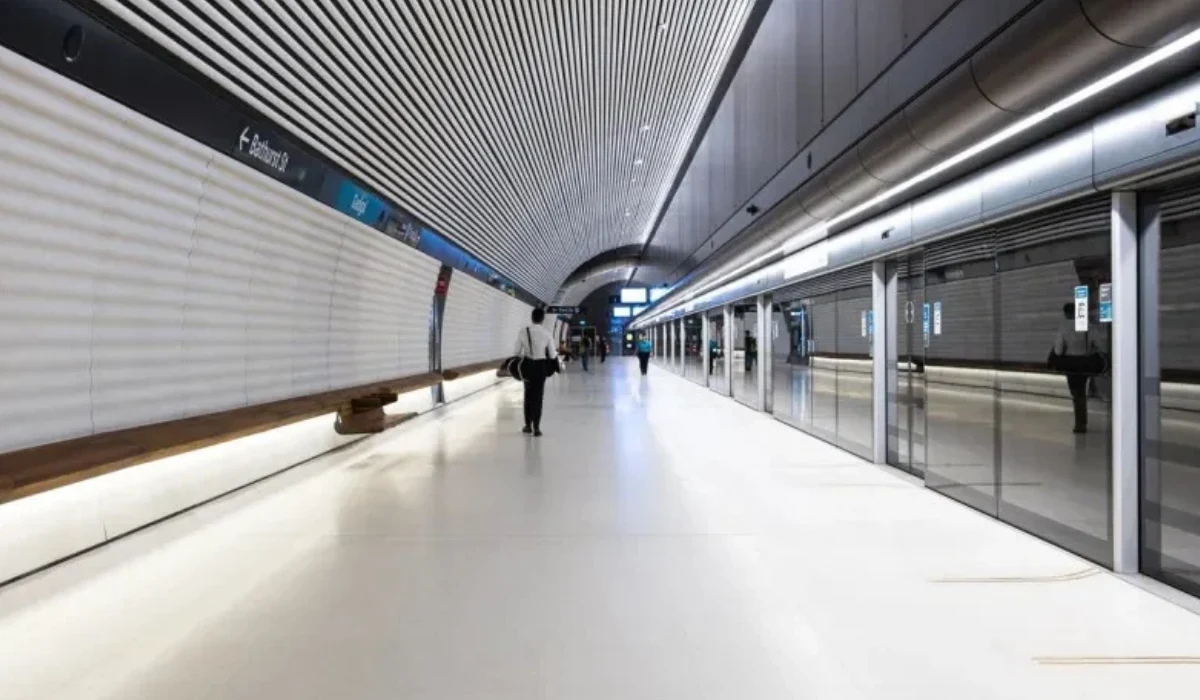
- Infrastructure Spotlights: International delegates will conduct site inspections across Sydney’s transit networks, highlighting the Sydney Metro project as a world-class model for rapid urban rail transformation.
- Urgent Call for Mode Shift: PTAANZ leadership highlighted the summit as a pivotal opportunity to align international climate ambitions with concrete transit policy, prioritizing public transport, walking, and cycling over private vehicle reliance.
Sydney (Sydney Now Magazine) November 2, 2026 – International public transport leaders and urban policymakers have converged on Sydney ahead of the two-day Global Transport Leaders’ Summit, scheduled for 4–5 November 2026. As reported by industry trade publication TransportTalk, the high-level international gathering organized by the Public Transport Association Australia New Zealand (PTAANZ) brings together more than 500 delegates representing over 20 nations to tackle gridlock, transport-related carbon emissions, and sustainable urban development. Convening at the Hyatt Regency in Sydney, the summit brings together prominent global transit executives—including leaders from London, Tokyo, and Paris—alongside Australian federal, state, and municipal officials to examine how public transport investment can be leveraged to reshape expanding metropolitan regions.
- Key Points:
- What is the primary agenda of the PTAANZ Global Transport Leaders’ Summit in Sydney?
- Who are the prominent global and domestic speakers addressing the summit?
- How is Sydney’s public transport infrastructure being showcased to international delegates?
- What specific climate and mode-shift challenges are transport leaders seeking to resolve?
- Background of PTAANZ and Australia-New Zealand Transit Investments
- Transport Policy, Urban Planning, and Regional Transit Adoption
What is the primary agenda of the PTAANZ Global Transport Leaders’ Summit in Sydney?
As reported by transport journalists for TransportTalk, the inaugural summit is structured to translate global climate commitments into actionable local transit strategies ahead of key international climate forums.
Addressing the overarching challenges facing modern urban centers, PTAANZ Chief Executive Lauren Streifer emphasized that metropolitan areas across the globe confront identical pressures regarding traffic congestion, carbon footprints, and population growth.
Detailing the critical timing of the gathering, Lauren Streifer stated:
“We are at a defining moment for our cities, our regions and our climate. The choices we make today will determine whether we lock in generations of congestion, emissions and car dependency, or create more connected, productive and liveable communities.”
According to reporting by TransportTalk, Streifer noted that the two-day conference provides a dedicated venue to learn from international cities undertaking major transformations, form multi-jurisdictional partnerships, and accelerate infrastructure changes that will define urban communities for decades.
Who are the prominent global and domestic speakers addressing the summit?
As reported by TransportTalk, the summit features a multi-tiered lineup of international transport directors, regional infrastructure leaders, and Australian government officials.
Key international keynote speakers participating in the Sydney conference include:
- London: Andy Lord, Commissioner of Transport for London (TfL).
- Tokyo: Noriyoshi Yamagami, Managing Executive Officer of Tokyo Metro.
- Paris: Alexis de Pommerol, Director at Grand Paris Express—currently Europe’s largest public transport and infrastructure construction project.
Australian political and administrative leadership is represented by federal transport secretary Jim Betts, who will present national perspectives on transport and infrastructure policy, and New South Wales Transport Minister John Graham.
Additionally, Sydney Lord Mayor Clover Moore will participate and chair a specialized local government forum examining urban planning and precinct accessibility.
How is Sydney’s public transport infrastructure being showcased to international delegates?
As reported by industry correspondents for TransportTalk, foreign and interstate delegates will directly inspect several of Sydney’s flagship public transport operations and active travel corridors during site visits accompanying the summit.
Curated delegate site tours include technical briefings on the Sydney Metro, the city’s extensive ferry network, the Sydney Harbour Bridge dedicated cycleway, and regional electric bus and light-rail operational depots.
Highlighting Sydney’s driverless rapid transit system as a benchmark for modern metropolitan rail, PTAANZ Chief Executive Lauren Streifer stated:
“Projects like Sydney Metro show we have the vision, technology and skills to transform our cities with transport. Now we need the ambition to go further.”
Streifer further emphasized the broader strategic potential of sustainable transit systems, stating:
“Public transport is one of the most powerful tools we have to transform how people live, move and thrive. Australia and New Zealand have an extraordinary opportunity to make sustainable travel the easiest and most attractive choice.”
What specific climate and mode-shift challenges are transport leaders seeking to resolve?
As reported in detailed industry commentary by PTAANZ Chief Executive Lauren Streifer published by Rail Express, passenger cars and light commercial vehicles account for approximately 60 per cent of all transport emissions and over one-tenth of Australia’s total national emissions.
Streifer argued that while fleet electrification is necessary, simply replacing internal combustion engine vehicles with electric cars will not solve road congestion, spatial inefficiency, or urban isolation.
Outlining the core policy shift required from municipal planners, Lauren Streifer stated:
“People rarely change their daily lives because they are told it would be better for the climate. They change when the better option becomes the easier option. That means trains frequent enough that passengers do not organise their lives around a timetable. Stations that are welcoming, accessible and safe… Frequency is climate policy. Reliability is climate policy.”
Delegates at the Sydney summit are set to address critical operational hurdles, including building rapid rail networks that reshape regional economic geography, integrating bus and active transit routes into rail spines, and securing bipartisan political mandates to fund public transport projects across multi-year budget cycles.
Background of PTAANZ and Australia-New Zealand Transit Investments
The Public Transport Association Australia New Zealand (PTAANZ) serves as the peak body representing public transport authorities, private operators, and industry suppliers across both nations. Historically, Australian and New Zealand capital cities relied heavily on post-war low-density urban sprawl paired with extensive private vehicle road networks. However, severe highway congestion, shifting demographic pressures, and aggressive national net-zero targets have forced a structural pivot toward high-capacity public transit.
In recent years, major state-level capital expenditures have redefined the region’s infrastructure landscape. Projects such as Sydney Metro (Australia’s first fully automated metro line), Queensland’s Cross River Rail in Brisbane, Victoria’s Metro Tunnel in Melbourne, and Western Australia’s METRONET in Perth represent tens of billions of dollars in public capital investment aimed at elevating rail capacity. Simultaneously, regional bus fleet electrification programs and light-rail expansions across Sydney, Canberra, and Auckland reflect a coordinated policy effort to establish public transport as the primary spine of urban development.
Transport Policy, Urban Planning, and Regional Transit Adoption
The proceedings and strategic outcomes of the Global Transport Leaders’ Summit in Sydney are predicted to significantly influence transport procurement, urban zoning regulations, and decarbonization benchmarks across Australia, New Zealand, and participating international jurisdictions throughout 2027 and beyond.
For urban planners, transit authorities, and municipal councils across Australia and New Zealand, the summit’s emphasis on mode shift is predicted to accelerate transit-oriented development (TOD) legislation. State governments are expected to increasingly condition local housing approvals on proximity to high-frequency transit hubs, using station precincts to drive medium- and high-density residential construction. Additionally, city transport departments are predicted to fast-track dedicated bus lane corridors and active cycling infrastructure to ensure last-mile connectivity to primary rail networks.
For international transport operators and commercial infrastructure providers, the summit is likely to spark expanded cross-border technology transfers. Australian and New Zealand transit agencies are predicted to increase technical collaboration with global operators like Transport for London, Tokyo Metro, and Grand Paris Express, particularly regarding real-time predictive data analytics, automated fare collection systems, and depot electrification solutions. Over the long term, these global partnerships are expected to streamline procurement frameworks, helping Australasian transport authorities lower delivery costs and sustain public patronage growth well into the next decade.