Key Points
- Official Opening Date Confirmed: New South Wales Premier Chris Minns announced that the long-awaited south-west extension of Sydney’s metro line will officially open to passengers on Friday, 30 October.
- Start Time and Commuter Relief: The inaugural passenger service will commence at 4.31am, bringing an end to more than two years of replacement bus services for commuters across Sydney’s inner west and south-west.
- Creation of 66km Continuous Rapid Transit Line: The opening integrates the transformed T3 corridor into a continuous 66-kilometre driverless rapid transit line stretching from Tallawong in the city’s north-west, through the Sydney CBD, and down to Bankstown.
- Significant Travel Time Reductions: Commuters will experience notable journey time savings, with a direct trip from Bankstown to Central taking 28 minutes (a six-minute saving) and Lakemba to Victoria Cross taking 37 minutes (a 24-minute saving).
- Safety Protocols and Engineering Measures: To address mechanical gaps created along 130-year-old curved platform edges, specialized “gap-fillers” have been installed; six doors across four stations will temporarily remain out of service during the initial rollout phase while reliability data is collected.
- Substantial Budget and History: Originating under the former Coalition government in 2014, the combined city and south-west metro project has incurred cost escalations exceeding $20 billion, delivering peak-hour capacity for an additional 17,000 commuters.
SYDNEY (Sydney Now Magazine) October 22, 2026 – New South Wales Premier Chris Minns has officially confirmed that Sydney’s long-awaited south-west metro extension will open to the public on Friday, 30 October, ending over two years of disruption and replacement bus services for commuters in the city’s inner west and south-west. The announcement, delivered via a video address and formal government statements, confirms that the first driverless rapid transit service will depart at 4.31am. The completion of the converted T3 heavy rail line creates a continuous 66-kilometre metro corridor spanning from Tallawong in the north-west to Bankstown, expanding peak-period capacity across the network by 17,000 passengers.
- When Will the Sydney South-West Metro Extension Officially Open to Passengers?
- Which Stations Are Included and How Will Travel Times Improve Across Sydney?
- Why Was the South-West Metro Opening Delayed and What Safety Measures Are Being Taken?
- Background of the Particular Development
- How This Development Can Affect Commuters, Property Markets, and Urban Development
When Will the Sydney South-West Metro Extension Officially Open to Passengers?
As reported by Elias Visontay of The Guardian, New South Wales Premier Chris Minns announced on Thursday morning that the south-west metro line extension will officially commence passenger operations on Friday, 30 October.
In a formal statement released by the New South Wales Government, transport officials confirmed that the inaugural service will begin at 4.31am. The launch brings an end to more than two years of temporary replacement bus operations—popularly referred to by local residents as “pink buses”—which have been in place since the former T3 heavy rail line closed in September 2024 for structural conversion.
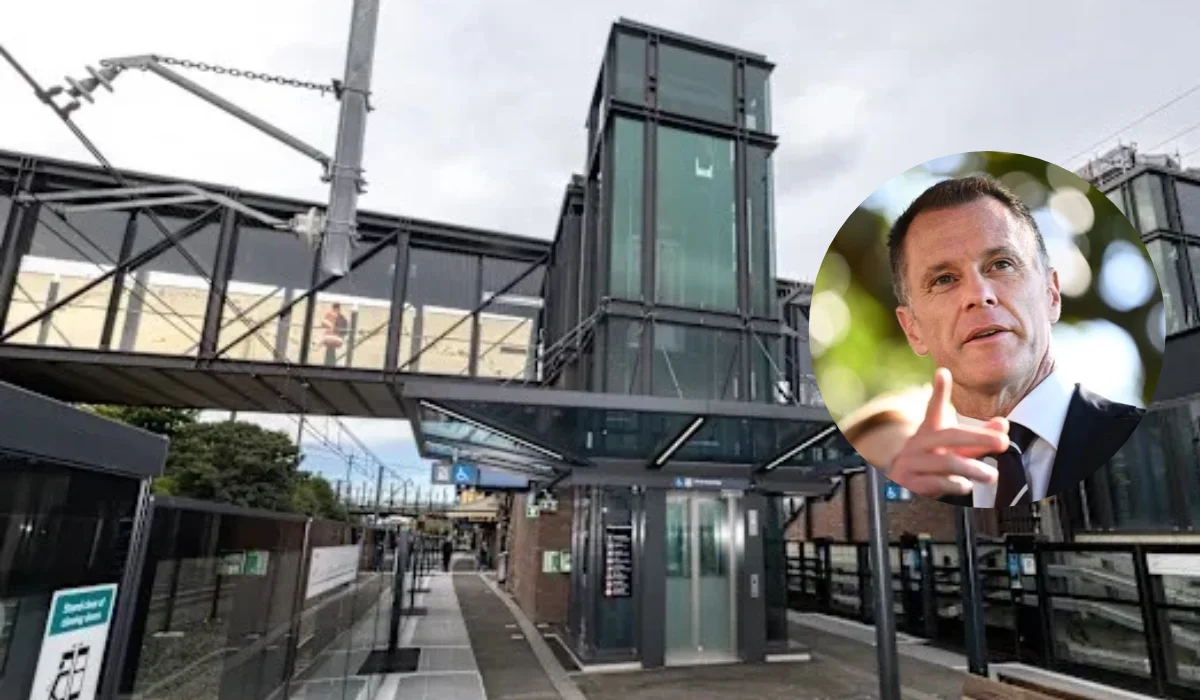
Releasing a video address on social media to confirm the launch date, Premier Chris Minns stated: “This is a huge moment for south-west Sydney”. Addressing the local communities affected by the extended construction timeline, Minns added that he wanted to thank “the thousands of commuters, families and local businesses for their patience while we’ve undertaken this major transformation”.
Which Stations Are Included and How Will Travel Times Improve Across Sydney?
As reported by urban transport correspondents across Australian media, the converted T3 corridor connects 10 key stations across Sydney’s inner west and south-west: Marrickville, Dulwich Hill, Hurlstone Park, Canterbury, Campsie, Belmore, Lakemba, Wiley Park, Punchbowl, and Bankstown.
The opening connects these stations directly to the central Sydney metro section—which opened in August 2024—establishing a uninterrupted 66-kilometre driverless network running all the way from Tallawong in the north-west, through the Sydney Central Business District (CBD), and terminating at Bankstown.
According to official schedule data released by the state government, services will run at four-minute intervals during peak travel times, five-minute intervals during off-peak day periods, and every 10 minutes during evenings and weekends. The high-frequency timetable is expected to deliver significant travel time reductions compared to the legacy heavy rail network:
- Bankstown to Central: 28 minutes (a six-minute reduction compared to heavy rail).
- Marrickville to Gadigal: 12 minutes (a 12-minute time saving).
- Canterbury to Chatswood: 31 minutes (a 23-minute time saving).
- Lakemba to Victoria Cross: 37 minutes (a 24-minute time saving).
- Campsie to Macquarie University: 44 minutes (a 17-minute time saving).
Transport officials confirmed that the temporary pink rail replacement buses will remain in operation on Friday, 30 October, and throughout the line’s first weekend of service to assist commuters during the initial transition phase.
Why Was the South-West Metro Opening Delayed and What Safety Measures Are Being Taken?
As reported by transport journalists covering the regulatory approval process, the Minns government had refrained from committing to a public launch date following regulatory delays that previously affected the opening of the city metro section in 2024. While internal targets had pointed toward an 18 October opening, state ministers maintained caution until safety authorizations were fully cleared.
As detailed by transport reporter Elias Visontay of The Guardian, New South Wales Transport Minister John Graham signaled last week that the opening was “a matter of weeks, not months” after operator Sydney Metro submitted the final safety compliance data to the Office of the National Rail Safety Regulator (ONRSR). Approval from the national regulator was finalized earlier this week, paving the way for the official 30 October launch date.
Converting a 130-year-old heavy rail corridor into an automated rapid transit system presented unique engineering challenges. To bridge gaps between straight-edged automated train doors and historic curved platforms, engineers installed mechanical “gap-fillers”.
However, government officials confirmed that during the initial operational phase, six train doors out of the 360 along the line—specifically three doors at Dulwich Hill station and one door each at Marrickville, Canterbury, and Campsie—will remain temporarily taken out of service. This safety precaution will remain active while engineers collect real-time operational data on the mechanical gap-fillers where platform curves are widest.
Background of the Particular Development
The origin of the Sydney Metro City & Southwest project dates back to 2014, when it was first announced by the former Liberal-National Coalition state government as a flagship infrastructure initiative funded in part by electricity asset transactions. The Australian Labor Party originally campaigned against the conversion of the T3 Bankstown heavy rail line during the 2019 state election, arguing that replacing direct heavy rail lines with metro transfers would disadvantage suburban commuters.
However, following Labor’s victory at the 2023 New South Wales state election, Premier Chris Minns committed his administration to completing the project, citing the advanced state of construction and contractual obligations.
Over the course of its construction, the combined City and Southwest metro project experienced substantial cost increases. Initial budget estimates were revised upward due to complex station redesigns, heritage platform retrofitting, subsea tunneling under Sydney Harbour, and extended construction timelines, bringing the total combined cost of the city and south-west extensions to more than $20 billion.
How This Development Can Affect Commuters, Property Markets, and Urban Development
The opening of the south-west metro line on 30 October will produce substantial long-term impacts across Sydney’s transport network, suburban economy, and real estate landscape:
- For Daily Commuters and Public Transport Users: Commuters across Sydney’s south-west will experience immediate improvements in travel reliability, reduced travel times to key employment hubs like North Sydney, Barangaroo, and Macquarie Park, and an end to reliance on replacement bus services. The increased capacity of 17,000 extra passengers per hour during peak periods will significantly reduce overcrowding across connecting bus and rail networks.
- For Local Property Owners and Real Estate Markets: Residential and commercial property values surrounding the 10 transformed metro stations are likely to experience accelerated capital growth. Historical transit data indicates that properties situated within walking distance of high-frequency rapid transit hubs in Sydney command higher buyer demand and rental premiums compared to non-metro corridors.
- For Urban Planners and Local Small Businesses: The transition from legacy rail to high-frequency driverless transit will encourage local councils and urban planning authorities to proceed with transit-oriented urban renewal projects along the Marrickville-to-Bankstown corridor. High-density residential housing, retail revitalisation around station precincts, and increased foot traffic will benefit small businesses near stations, transforming suburban hubs into vibrant commercial centers.