Key Points
- A major red imported fire ant infestation in Sydney’s Inner West was discovered at a business that went completely unsurveyed by federal biosecurity officials for three years.
- Officials from the federal Department of Agriculture, Fisheries and Forestry (DAFF) last inspected ant traps at the ground-zero site three years prior under a risk-based assessment framework.
- The specific site is one of four commercial operations located at the Enfield Intermodal Logistics Centre, classified as “medium-risk” and processing roughly 2 per cent of total goods moving through the hub.
- Higher-risk tenant facilities within the same intermodal logistics center underwent more frequent inspections, including ant trap checks in April 2025 and January 2026.
- Federal Minister for Agriculture, Fisheries and Forestry Julie Collins defended the Commonwealth’s biosecurity commitment, noting the government continues to collaborate with New South Wales authorities who are leading the ground response.
- New South Wales Agriculture Minister Tara Moriarty publicly questioned the Commonwealth’s risk-classification model, calling for a review of risk categories at intermodal facilities.
- The Invasive Species Council condemned the three-year surveillance gap, describing it as alarming that a mature fire ant nest could form while the system operated as designed.
- The Inspector-General of Biosecurity is currently conducting a broader structural review of national biosecurity risk management practices to identify areas for improvement across Australia.
Sydney (Sydney Now Magazine) October 23, 2026 – Australia’s federal biosecurity surveillance regime has come under intense public and political scrutiny following revelations that the ground-zero site of a major red imported fire ant detection in Sydney’s Inner West went unchecked by Commonwealth inspectors for three years. Official records from the federal Department of Agriculture, Fisheries and Forestry (DAFF) confirm that ant lures at the specific business within the Enfield Intermodal Logistics Centre were last surveyed three years prior to September 2026, when a mature nest was discovered. The revelation has triggered an administrative dispute between state and federal authorities over border biohazard protocols, risk-assessment classifications, and inspection frequencies at key national freight hubs.
- Key Points
- How Did a Fire Ant Nest Remain Undetected at the Enfield Logistics Hub for Three Years?
- What Have Federal and State Ministers Stated Regarding the Biosecurity Protocols?
- How Have Environmental and Invasive Species Organisations Reacted to the Incident?
- What is the Background of This Particular Development?
- How This Development Will Affect Biosecurity Policies and Freight Businesses?
How Did a Fire Ant Nest Remain Undetected at the Enfield Logistics Hub for Three Years?
The three-year inspection gap stems from the federal government’s risk-based biosecurity framework, which assigns inspection schedules based on the volume and biohazard risk level of cargo processed by individual commercial tenants. The business where the infestation originated is one of four tenant entities located within the broader Enfield Intermodal Logistics Centre. Because the firm undertakes activities deemed “medium-risk” and handles approximately 2 per cent of the total goods moving through the intermodal hub, DAFF protocols mandated trap checks once every three years.
While DAFF officials conducted routine inspections and ant lure checks at higher-risk tenant facilities within the same Enfield logistics hub as recently as April 2025 and January 2026, ant traps at the specific business where the infestation took root remained unexamined between late 2023 and September 2026. Consequently, it remains unknown exactly how long the fire ants were present at the business before the ant lures were finally checked during the routine three-year inspection cycle.
What Have Federal and State Ministers Stated Regarding the Biosecurity Protocols?
The revelation has provoked a direct exchange between federal and state leaders concerning the adequacy of Commonwealth border controls and risk classifications.
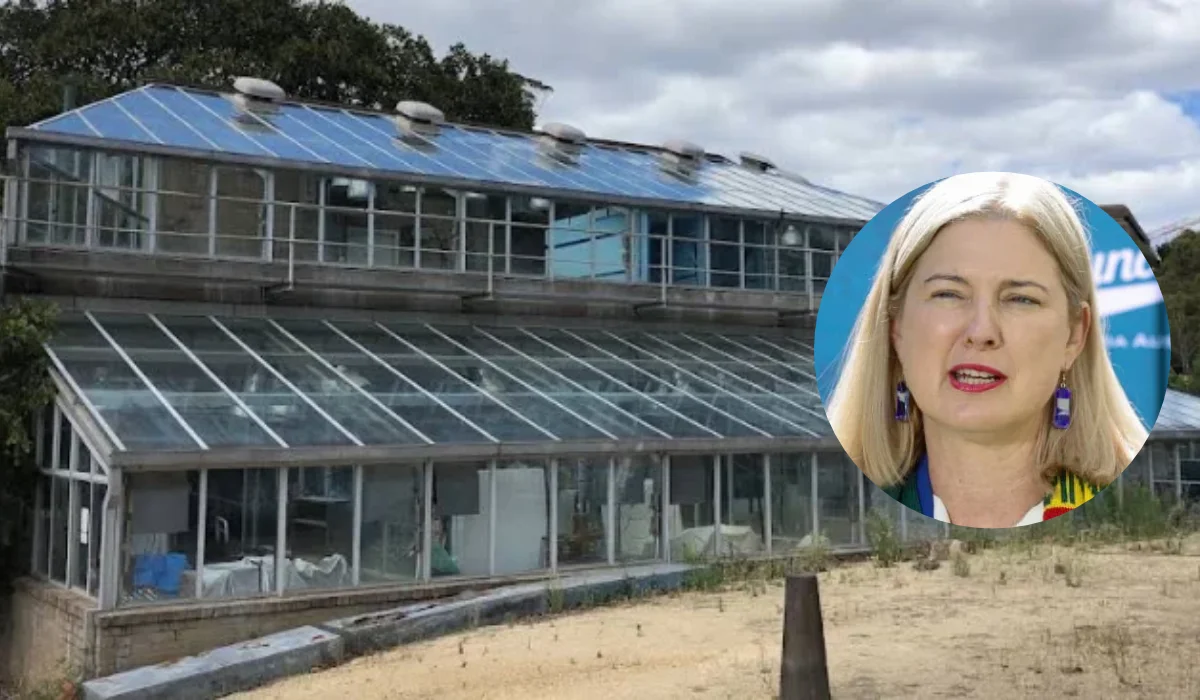
Defending the Commonwealth’s record, Federal Minister for Agriculture, Fisheries and Forestry Julie Collins stated that federal authorities maintain strict vigilance over invasive pests. As reported by News24.com.au, Minister Julie Collins stated: “The Albanese Labor Government will never compromise on biosecurity, and we take the threat of red imported fire ants seriously. Our government will continue working with the NSW government which is now leading the on-ground response to this detection.”
However, New South Wales Minister for Agriculture Tara Moriarty expressed strong concern regarding the federal risk-assessment model applied to international freight yards. As reported by the Daily Telegraph, Minister Tara Moriarty stated: “The Commonwealth Government should look at reviewing the risk categories at these facilities to see if they are appropriate.”
Federal authorities emphasized that under existing biohazard requirements, commercial operators are required to maintain their own safety protocols between official government checks and trap inspections. Business staff operating at intermodal sites are mandated to be appropriately trained in biosecurity, including cleaning, physical inspections, and immediate reporting of potential pest sightings.
How Have Environmental and Invasive Species Organisations Reacted to the Incident?
Environmental protection organisations and biosecurity advocates expressed immediate alarm over the regulatory gaps exposed by the Enfield discovery. Red imported fire ants (Solenopsis invicta) represent one of the world’s most destructive invasive species, known for their extremely strong sting and ability to swarm humans, pets, and livestock in mass numbers.
A spokesperson for the Invasive Species Council condemned the three-year inspection model applied to intermodal facilities, stating: “It is alarming that the biosecurity system at Enfield was working as designed, yet a mature fire ant nest was still able to go undetected for so long. Checking for fire ants once every three years makes no sense.”
Concurrently, the Inspector-General of Biosecurity is undertaking a broader review of biosecurity risk management practices across Australia to identify systemic areas of improvement. However, officials clarified that this review is a pre-existing national inquiry and was not specifically triggered by or restricted to the Enfield detection.
What is the Background of This Particular Development?
Red imported fire ants are native to South America but have established severe footholds across North America, East Asia, and parts of eastern Australia, most notably in South East Queensland. Biosecurity authorities view fire ants as a major ecological and economic threat, estimating that an uncontrolled national spread could cost the Australian economy billions of dollars annually in agricultural loss, medical expenses, and environmental degradation.
In New South Wales, previous localized incursions—including historical detections in Port Botany and Wardell—were addressed through rapid ground baiting, quarantine perimeters, and specialized sniffer dog teams. However, the September 2026 detection at the Enfield Intermodal Logistics Centre marked a significant breach because the site serves as a primary inland freight container destination connected directly by rail to Port Botany. The infestation is believed to have entered Australia on imported containerized shipments, highlighting the vulnerability of inland supply chain nodes to sea-borne biohazards.
How This Development Will Affect Biosecurity Policies and Freight Businesses?
The public disclosure of a three-year inspection gap at a major urban freight terminal will drive significant operational, legislative, and administrative changes across Australia’s logistics and biosecurity sectors:
- Revision of Federal Risk-Classification Models: The Department of Agriculture, Fisheries and Forestry (DAFF) will face sustained political pressure from state governments and agricultural groups to eliminate three-year inspection cycles at intermodal freight hubs. Facilities receiving international sea containers are expected to be reclassified under higher risk tiers, mandating lure checks at least bi-annually or quarterly.
- Increased Operational Compliance for Logistics Tenants: Commercial operators at intermodal centers will encounter stricter self-monitoring mandates, mandatory staff biosecurity certifications, and potential delays during freight clearance as federal authorities increase physical spot-checks.
- Expanded Ground Containment and Testing: The NSW Department of Primary Industries, alongside specialist fire ant detection dog teams, will maintain rigorous surveillance and baiting protocols across Enfield and surrounding Inner West industrial zones to ensure no secondary or satellite colonies have established in adjacent suburban land.